🌍 Context: how we got here (facts, not opinions)
Over the past weeks, United States has moved from indirect pressure to direct intervention in Venezuela.
The turning point has been:
- the capture of Nicolás Maduro
- direct control over the transition process
- and a clear market signal: energy is the core economic asset
From the outside, the narrative sounds simple:
“Stabilise the country to unlock its oil.”
But markets don’t react to intentions. They react to timing, friction, and operational risk.
That’s where this stops being political — and becomes economic.
🛢️ The key data point that changes everything
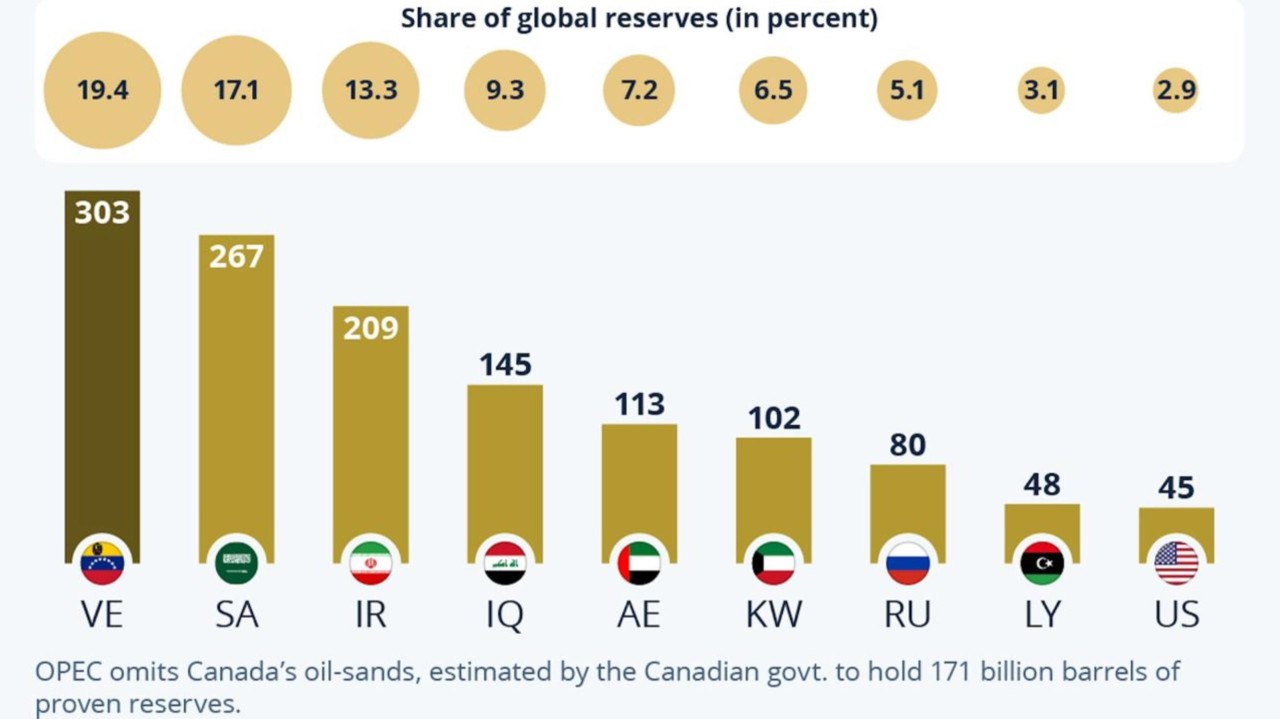
- Venezuela produces less than 1% of global oil
- Yet holds ~17% of proven global reserves
- Current output is far below geological potential
📌 Market translation:
- Venezuela is not an immediate supply shock.
- It is a latent option on the future energy market.
And that distinction matters a lot.
🚢 Implications for Global Trade
🔹 Oil is a systemic input
Oil doesn’t just affect energy markets. It feeds into:
- transportation
- logistics
- manufacturing
- agriculture
- retail
When a major potential supplier exists, but execution is uncertain, global trade adapts quickly:
- shorter contracts
- more flexibility clauses
- increased hedging
- larger logistical buffers
👉 Trade doesn’t stop — it becomes more expensive.
🔹 Reconfiguration of energy flows
Venezuelan crude is predominantly heavy crude, which requires:
- specific refineries
- blending
- specialised logistics
The result:
- winners (heavy-crude-ready refiners)
- losers (those without processing capacity)
- more fragmented global supply chains
📌 Less efficiency, even if resources exist.
📈 Implications for investments & financial markets
This is where the apparent contradiction appears.
🛢️ Why energy stocks are rising
Equity markets are not pricing more barrels today, but:
- future optionality
- years of capex
- infrastructure rebuilding
- higher volatility (positive for traders and majors)
For equity investors:
Venezuela is a long-dated call option on energy.
That’s why:
- oil & gas equities rally
- services and infrastructure names benefit
- reconstruction narratives gain traction
₿ Why Bitcoin is also rising
Bitcoin isn’t reacting to oil — it’s reacting to:
- fast-changing rules
- banking friction
- institutional uncertainty
Bitcoin behaves as:
an asset outside the traditional financial system
When the system becomes slower and more complex, some capital migrates toward parallel infrastructure.
🔮 Where markets may go next
- Short term: volatility + bullish energy narrative
- Medium term: Venezuela acts as a price cap, not a collapse trigger
- Long term: potential structural pressure on heavy crude markets
🏦 Implications for banks (the least understood part)
❌ Banking risk doesn’t come from oil
It comes from:
- payments
- counterparties
- contracts
- jurisdictions
- compliance
A fast transition creates:
🔹 Legal uncertainty
- Who can legally sign contracts today?
- Who can receive payments?
- Which entities remain valid tomorrow?
👉 Risk of transactions becoming retroactively invalid.
🔹 Trade finance becomes less “vanilla”
Standard flows turn into:
- structured deals
- heavier collateral
- more manual checks
📌 Result:
Higher margins per transaction — but higher risk and capital consumption
🔹 System fragmentation
- Large banks → extreme caution
- Smaller banks → exclusion
- System → less liquidity, more friction
All of this happens while equity markets celebrate.
🧠 The core takeaway
- Markets celebrate optionality.
- Banks suffer during transitions.
- Oil rallies on what might happen tomorrow.
- Financial risk rises because of what is unclear today.
Not a contradiction. The same shock — seen from different layers of the economic system.