The Platform Is the Business Now

(But physical products still matter more than ever)

For decades, we believed that software supported businesses.

Today, the reality is more nuanced: πŸ‘‰ Products create value. Platforms scale it.

This distinction matters β€” especially in traditional industries.


From Products to Platforms (Not Products vs Platforms) πŸ§±βž•πŸ§ 

This is not a story about replacing physical products.

It’s about amplifying them.

Traditionally:

  • You sold a physical or financial product
  • Differentiation came from price, quality, or distribution

Today:

  • Products remain the core
  • Platforms multiply their reach, efficiency, and margin
  • Value shifts to orchestration, data, integration, and experience

πŸ’‘ The product creates value. The platform captures and compounds it.


Why SaaS Is Becoming Invisible Infrastructure ☁️

Modern SaaS is quietly evolving:

  • From branded tools
  • To modular, configurable infrastructure

This shows up in:

  • White-label solutions
  • API-first architectures
  • Semi–custom platforms built on shared cores

The client no longer looks for a perfect fit β€” πŸ‘‰ they look for a flexible foundation.

When software disappears from the spotlight, it becomes strategic.


Insourcing vs Outsourcing: A Strategic Sequence, Not a Choice πŸ”„

The real question is not:

Should we build or buy?

It’s:

When should we build β€” and what exactly should we own?

A common winning pattern:

  1. Outsource to move fast and validate demand
  2. Insource selectively what differentiates the product and the client experience

Building everything internally:

  • Requires scale
  • Creates heavy fixed costs
  • Locks you into long-term maintenance

πŸ’‘ Outsourcing is not giving up control. It’s buying strategic time.


Why Platforms Supercharge Physical Businesses πŸ“ˆ

This is where physical models become stronger β€” not weaker.

A platform allows a physical business to:

  • Predict demand
  • Optimize logistics
  • Reduce working capital
  • Bundle services around the product
  • Monetize data and integration

πŸ‘‰ The physical product becomes the entry point.

The platform becomes the growth engine.


Traditional Industries Are the Real Battleground πŸ₯🏦πŸ₯€

This shift is most visible in highly traditional, asset-heavy sectors, where I’ve been involved in several projects:

Healthcare & medical supplies

  • Products are tangible and essential
  • Competitive advantage comes from availability, reliability, planning, and integration with hospitals.

The winner won’t just sell supplies β€” they’ll operate the healthcare platform behind them.

Banking

  • Financial products still exist
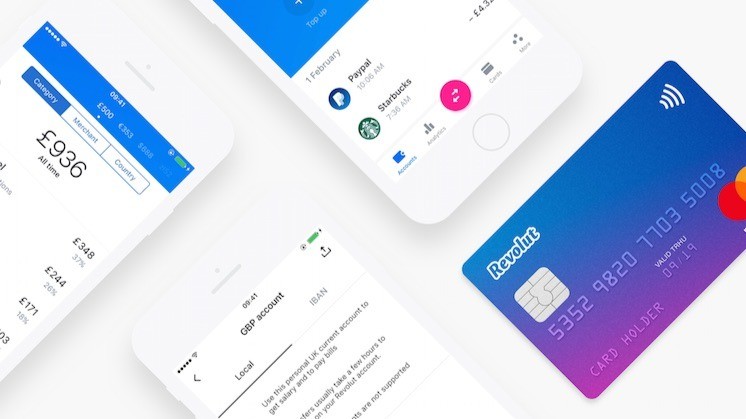
  • Differentiation comes from speed, UX, embedded services, and ecosystem integration.

People don’t abandon banks. They choose better banking platforms.

Vending machines & physical distribution

  • The product is simple
  • The asset is physical
  • Margins depend on location, restocking cycles, downtime, and demand prediction.

Here, platforms unlock:

  • remote management
  • inventory optimization
  • dynamic pricing
  • data-driven expansion

πŸ‘‰ The vending machine sells the product.

The platform decides if the business scales.

More in Toledo Vending


In traditional industries, what creates more long-term value today:

  • owning the best product,
  • or operating the platform that amplifies it?

Or is the real advantage in getting the balance right?

πŸ‘‡ Curious to hear your take

Boris Toledo
Boris Toledo
Articles: 26