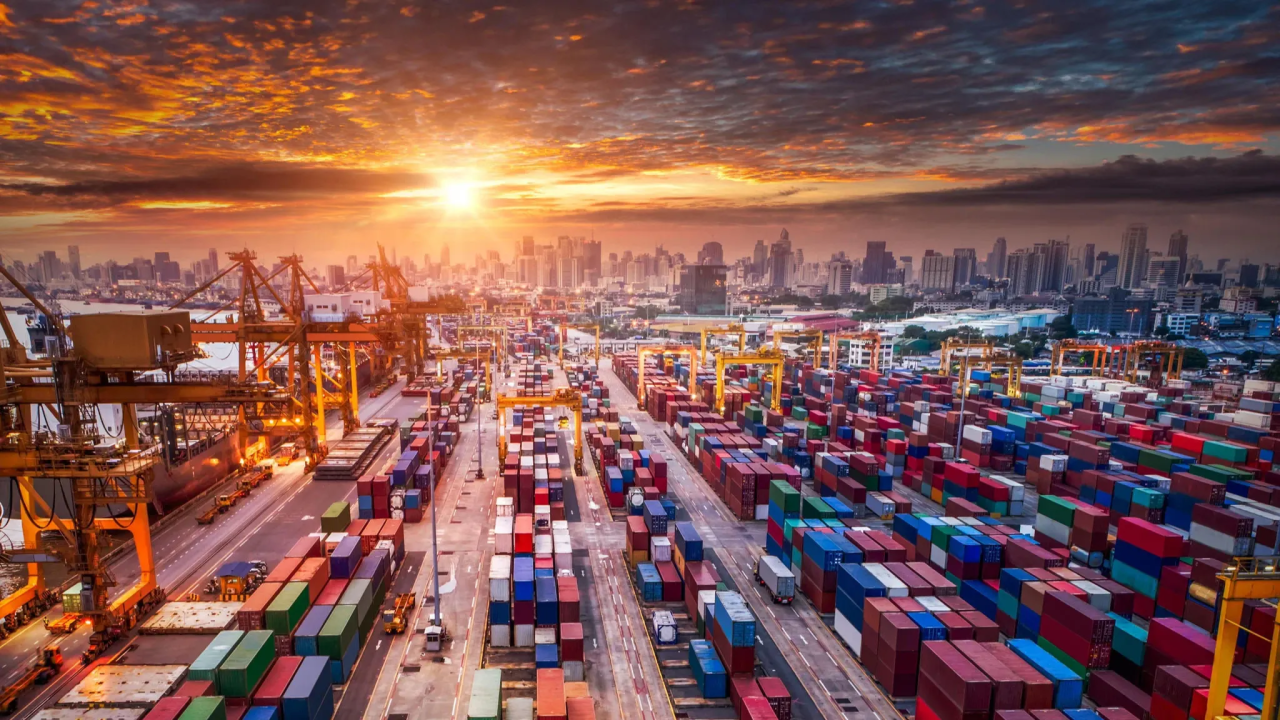
I’ve been digging into recent commodity price moves and how they quietly (but powerfully) reshape global trade flows, with ripple effects on FX, inflation, supply chains, and portfolios.
This isn’t about timing the market. It’s about understanding the mechanics behind the moves.
💡The Big Picture: Commodities Are Back in Control
- Bloomberg Commodity Index & S&P GSCI: positive YTD
- Oil: elevated, driven by geopolitics and route risk
- Natural gas: weaker than crude, but volatile
- Gold: strong — softer USD, rate-cut expectations, safe-haven demand
- Silver: sharp moves alongside gold
- Copper: high and volatile, with aggressive price assumptions
- Wheat: ~+3% last month
- Corn: mixed, no clear trend
Commodities are inputs to everything: transport, food, energy, industrial production.
🔌 Copper Case Study: Structural Tightness Isn’t Going Away
Take CODELCO – Corporación Nacional del Cobre de Chile as a real-world example:
- Legacy mines are harder and more expensive to run
- New projects are late, over budget, and disrupted
- Falling ore grades → unit costs rising
- Output harder to sustain without heavy CAPEX
- 2026 investment budget cut to $3.9bn (from $4.7bn in 2025)
👉 Translation: high copper prices aren’t just cyclical, they reflect real supply constraints.
🚢 How Commodity Prices Reshape Global Trade
🛢️ Energy (Oil & Gas)
- Oil ↑ → higher bunker fuel, trucking, aviation freight
- Tanker rates spike on key routes → delivered costs rise
- Logistics planning becomes harder and more volatile
➡️ Result: inflation pressure + trade friction
🌍 Exporters vs Importers when prices increase
- 🟢 Commodity exporters: higher export prices → better trade balance → FX support
- 🔴 Commodity importers: higher import bill → FX pressure → tighter financial conditions
📉 Demand Effects
- Energy & food costs push through the economy
- Discretionary, trade-heavy goods slow first
- Inflationary periods often = weaker merchandise trade
⚠️ Volatility Changes Behavior
- Importers lock prices, hold more inventory, diversify suppliers
- Trade volumes can rise short-term via front-loading
- Supply chains shift (near-shoring / friend-shoring dynamics)
Developing economies feel this fastest — fewer buffers, higher FX sensitivity.
💱 FX & Trade: The Feedback Loop
📉 When a currency weakens:
- Exports become more competitive
- Imports get more expensive
- Trade balance may improve — with a lag
📈 When a currency strengthens:
- Exports lose competitiveness
- Imports rise
- Trade balance can deteriorate
And FX doesn’t always fully pass through:
- Exporters absorb moves to protect market share
- Hedges & long-term contracts smooth pricing
- Commodities priced in USD mute local FX effects
🧮 Why This Hits Supply Chains & Finance First
Rising commodity prices don’t just hit P&Ls — they reprice working capital.
What shows up early:
- Invoice values rise mechanically (energy, metals)
- Faster credit limit utilization
- Supplier early-payment take-up spikes (but unevenly)
- Margin pressure for downstream industrial users
- Energy-intensive sectors face delayed pass-through
🚨 Operational warning signs:
- More disputes (pricing, indexation, partial deliveries)
- Payment stretching attempts
- Requests to extend terms or adjust cut-offs
- More FX noise in multi-currency flows
- Higher onboarding pressure as supply chains diversify
📊 Why Investors Should Care
This setup tends to:
- Support commodity exporters’ FX & equity cycles 🟢
- Pressure import-dependent economies 🔴
- Increase earnings dispersion across sectors
- Reward companies that stabilize supply chains
- Increase volatility in cash flows, not just prices
🧠 Final Thought
Commodity prices don’t just move charts. They reprice trade flows, currencies, margins, and behavior.
If you’re watching markets, global trade, or long-term investments — this layer matters a lot more than it seems.