Physical Address
304 North Cardinal St.
Dorchester Center, MA 02124
Physical Address
304 North Cardinal St.
Dorchester Center, MA 02124

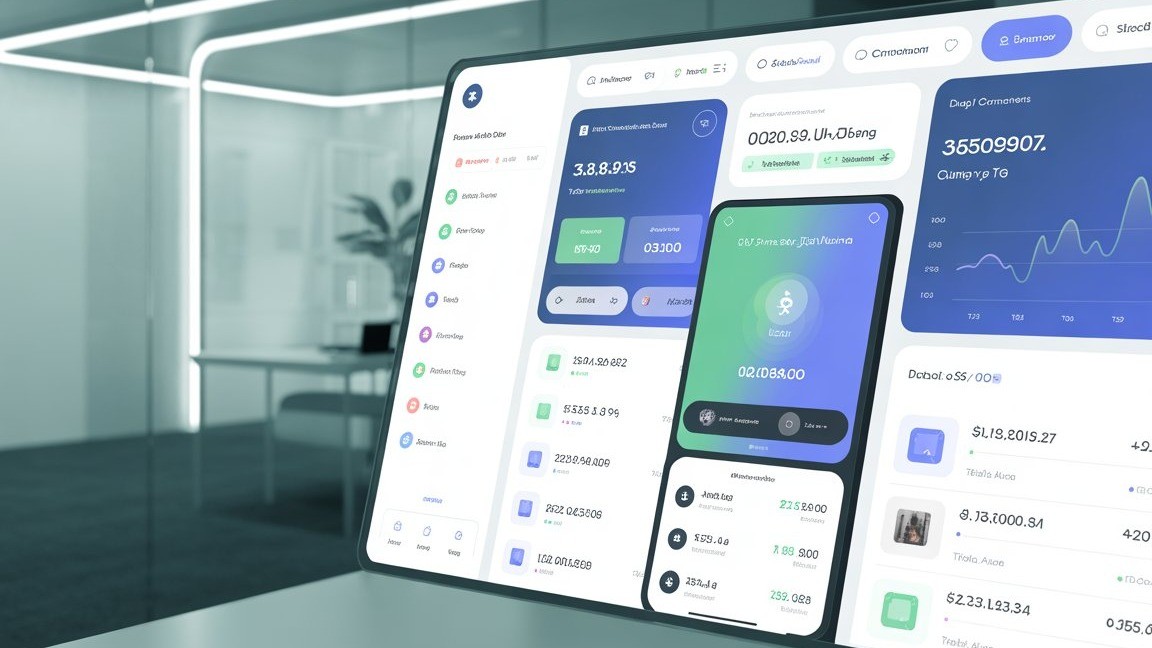
The fintech narrative going into 2026 is no longer about disruption — it’s about scale, infrastructure, and control.
According to the State of Fintech 2026 report by Simon Taylor and Jevgenijs Kazanins, we’re entering a phase where:
Here are the key trends that will define banking & fintech in 2026 — and why they matter👇
Fintech is no longer a long tail of startups — it’s a power law.
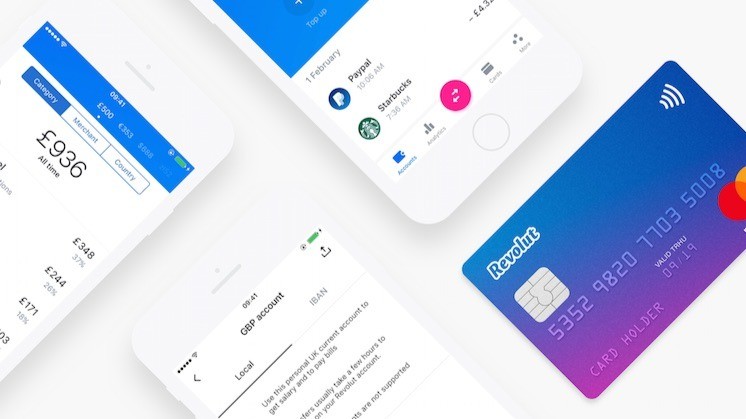
Players like Nubank , Revolut , Klarna and Robinhood are becoming financial hyperscalers.
What’s changing in 2026:
👉 Scale used to be banks’ moat. Fintechs now have it.
Contrary to the “fintech killed banks” narrative, 2025–26 tells a different story.
Banks:
Big institutions like J.P. Morgan , Santander, Citi and HSBC are no longer watching — they’re building.
👉 2026 is about banks + fintech, not banks vs fintech.
Stablecoins are no longer a crypto story — they’re a payments, treasury, and liquidity story.
Key shifts:
Companies like Circle , Stripe OLT and Coinbase Developer Platform are turning stablecoins into invisible plumbing.
👉 In 2026, stablecoins start to feel like the internet layer of money.
AI in fintech is moving up the stack.
Not just:
But:
This is where banks, PSPs and card networks are repositioning:
👉 The question is no longer “can AI help finance?”
It’s “who owns the AI-native financial interface?”
The ambition to become a primary financial relationship is back.
BNPLs, wallets, brokerages and crypto platforms are all converging:
Examples:
👉 In 2026, wallets are the new banks.
Open banking didn’t fail. It matured.
What changed:
Credit scoring, underwriting and fraud are the new battleground — not payments.
👉 Data is no longer ideological. It’s commercial.
If you work in banking, fintech, payments or finance strategy, 2026 is about:
✔️ Scale, not disruption
✔️ Infrastructure, not apps
✔️ Distribution, not differentiation
✔️ AI + money becoming inseparable
✔️ Stablecoins quietly rewiring finance
The future isn’t loud. It’s already compounding.
The real question is: 👉 Where are you positioned in this next phase of finance?
If this analysis helped you see the landscape more clearly, subscribe to Ascendit — where we break down what actually matters in markets, finance and business building.