Physical Address
304 North Cardinal St.
Dorchester Center, MA 02124
Physical Address
304 North Cardinal St.
Dorchester Center, MA 02124

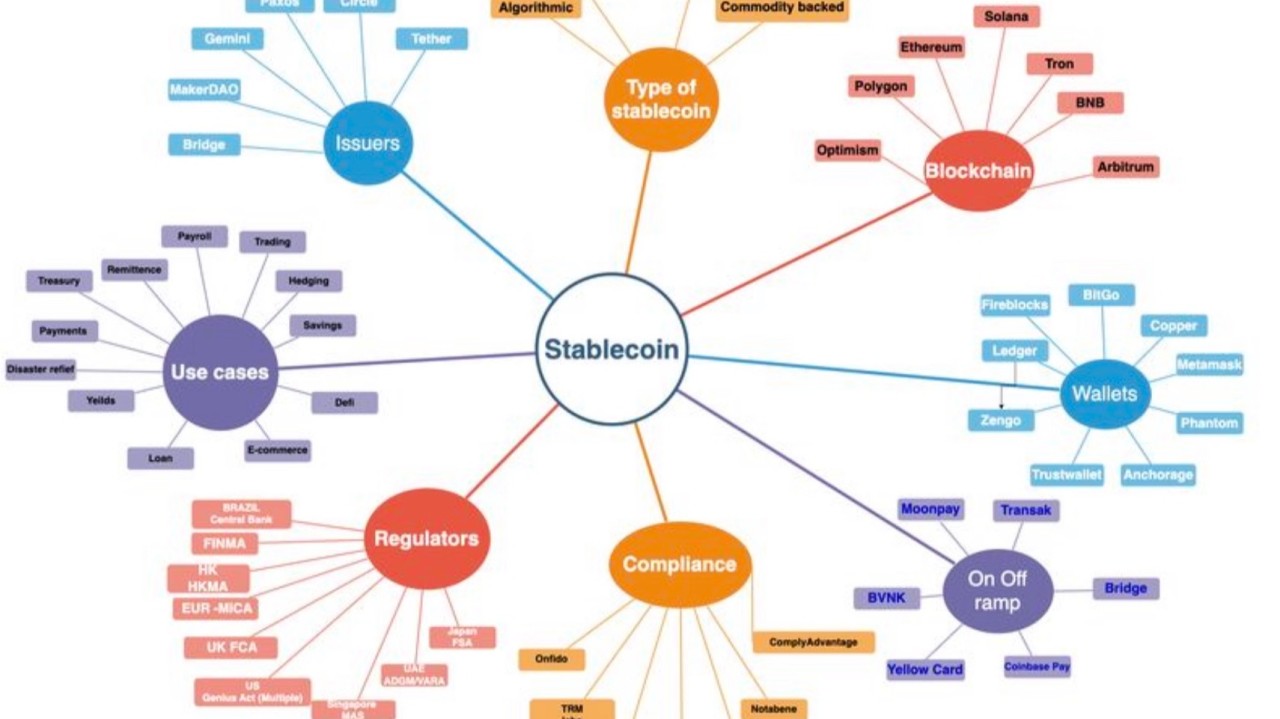
The financial sector is living through a quiet shift. While crypto headlines come and go, stablecoins have been steadily becoming a powerful force in global payments.
They are not replacing banks — but they are reshaping how money moves.
Stablecoins gained traction because they fix issues companies have faced for years:
Stablecoins offer something different:
In other words, they introduce a new payment rail that complements existing banking infrastructure.
This is the part most people underestimate.
Stablecoins are no longer viewed as speculative crypto assets. Instead, they are becoming a universal transport layer for value.
Global players such as Visa Commercial Solutions , PayPal Open , Stripe, J.P. Morgan , Revolut , and Nubank have already integrated stablecoins in some form — not because they love blockchain, but because:
Stablecoins move money in a way that is faster, simpler, and more global than traditional methods.
This does not replace banks. It opens new opportunities for collaboration, innovation, and efficiency.
Stablecoins are not replacing banks — but they are raising expectations. Here’s the quick, strategic view of what they mean for the banking sector:
Stablecoins settle in seconds, 24/7. This pushes banks to evolve toward:
It’s not competition — it’s a benchmark that accelerates modernization already underway.
Stablecoins created the demand for digital dollars.
Banks respond with tokenized deposits: regulated, secure, and fully backed by the bank.
These retain what treasurers trust (governance, protection) but add:
It’s an upgrade, not a disruption.
For corporate clients, speed and clarity matter more than ever. Stablecoins inspire banks to offer:
Banks remain the trusted partner — now with enhanced, hybrid capabilities.
Stablecoins open the door for banks to:
This is not a loss of relevance. It’s a new field where banks can lead, combining trust with technology.
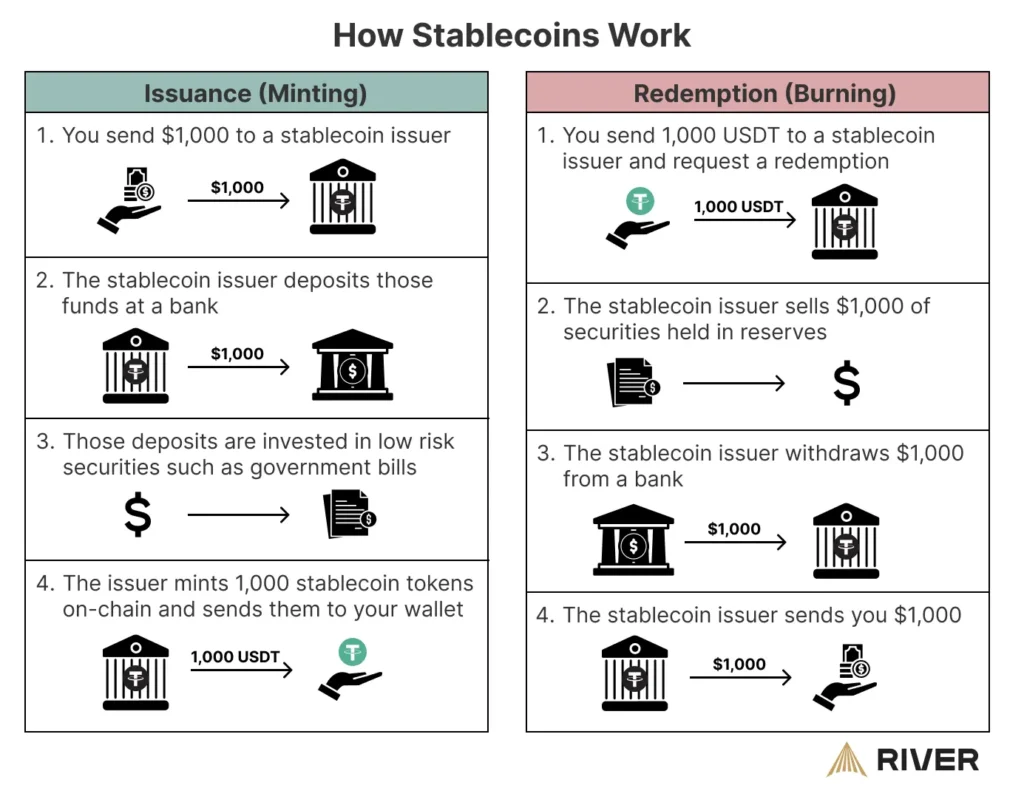
The strategic impact of stablecoins on the financial sector will unfold across five themes:
Companies will expect cross-border payments to settle in seconds.
Rules, logic, and compliance can be embedded into payments themselves.
AI agents will interact directly with tokenized money to automate:
Reconciliation and settlement start happening instantly.
Clients will not care if the money moves through SEPA, SWIFT, or blockchain — they will care that it is fast, safe, and frictionless.
The banks that combine both worlds will lead the next decade.
Explore how stablecoin rails, tokenized money, and banking infrastructure can coexist to deliver faster, safer, and truly global financial services. The institutions that experiment today will lead tomorrow. 👉 Ascendit